

A Different Story Out of Cornell
Content warning: this blog includes mention of a news story about sexual assault.
“The most important thing I’ve learned was, you know, to always ask for consent, because consent is a very important thing…because sometimes people are peer pressured and they make it seem like they want to do it, ...it’s good to check in and stuff, to make sure they’re like 100%... like 100% consent." Youth Participant, Brothers as Allies program, NY State.
I've shed some tears about the recent story out of Cornell University.
You, too, may have heard the news of the terrible event that occurred two years ago at Cornell — one young woman student alleges she was sexually assaulted by seven fraternity members. The school’s response ranged from expulsions to apology notes to essays, and no criminal charges were filed.
This story and stories like it are devastating to hear, and even more so because sexual violence is preventable.
Here is a different kind of story from Cornell, where people invested in prevention and as a result, harm was reduced and behaviors changed. This story highlights how providing adolescent boys* with safe spaces, healthy connections and programming that challenges harmful norms that tolerate coercion or assault can change culture and change lives. Boys can learn to talk with a partner, seek consent, listen to and accept a partner's response, and respect people of all genders as human beings, including themselves.
Between 2016 and 2019, researchers from Cornell's ACT for Youth Adolescent Health Center and the New York State Department of Health conducted a study funded by the Centers for Disease Control and Prevention. They evaluated Brothers as Allies, a 10-session sexual violence prevention curriculum from The Council for Boys and Young Men®, with hundreds of middle school boys in New York.
The COVID-19 pandemic halted the study before completion, but the researchers considered the program effective based on key early outcomes. Compared with the boys and young men in the control groups, after 10 weeks, participants in the program reported:
-
lower sexual violence perpetration
-
lower reported sexual harassment of others
-
a greater likelihood of telling someone how they feel
-
being less likely to call someone “homo” or “gay” if they thought the person was gay
The participants also reported higher rates of victimization. Researchers suggested that program participation may have increased the boys’ awareness of sexual aggression and violence, making them more willing or able to recognize and self-report their own experiences of victimization.
These outcomes point to the power of prevention. Not only did the boys learn how to communicate and how and why to seek consent, but they also had the opportunity to express their emotions without judgment. These results came about because the trained and certified facilitators, all men from their communities who volunteered their time, showed up each week for the boys and young men. Their care, consistency, and willingness to facilitate conversations around intimacy, consent, and respect made a difference. You can watch this YouTube video in which facilitators describe how valuable, needed, and meaningful the program was for the boys: “The Council for Boys and Young Men: Why Do You Think Boys Need a Program Like This?”
Many people on social media have been quick to blame parents for not teaching their sons to respect girls and women. However, male gender norms, cultural norms, peer pressures, and systemic practices that tolerate, minimize, or dismiss sexual harassment and violence, all contribute to sexually aggressive behavior. The problem is not limited to men and boys, though it is far more common among them. Prevention efforts must go beyond advising or blaming girls, young women, and LGBTQ+ youth about staying safer. Schools, organizations, and legal systems must hold those who cause harm accountable.
Facilitators and youth advocates can help prevent sexual harassment and violence by addressing it early on. Starting early matters because youth may not know that most perpetrators are friends, relatives, classmates, former romantic partners, or other people they know. Parents and caregivers must talk with boys, serve as role models, and convey their own values and expectations. But beyond being told how to behave, boys need caring adults such as educators, counselors, and youth service providers to guide discussions with them about their views and concerns about sexual behavior and sexual violence. These adults help by listening carefully and supporting boys in building skills, which is key to preventing harm. For example, facilitators can provide common scenarios for role-playing so youth can practice expressing themselves clearly, seeking consent, and showing respect when the answer is no, before real-life situations arise and the stakes are high.
Prevention of sexual violence includes believing in boys’ and young men’s capacity and desire for nonviolent, healthy relationships. Given the opportunity, they do find the courage to speak up with their peers and facilitators about what they actually feel and think, and what's right and wrong in interpersonal and intimate behaviors. Once boys and young men realize they're not alone, they're more willing to speak out against wrongdoing.
What can you, your organization, or your community do to help prevent sexual violence? How can you create opportunities for boys and young men to choose safer behaviors and responsible relationships?
1. Attend The Council for Boys and Young Men Facilitator Training to learn this strengths-based, male-responsive model for facilitating council programs for boys and male-identified youth.
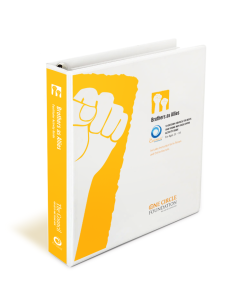
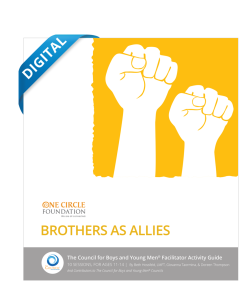
2. Access and utilize the Brothers as Allies Activity Guide that was implemented in the Cornell study for sexual violence prevention, or choose one of many other Activity Guides to offer prevention with meaningful support and skill-building.
3. Attend the monthly Facilitator Support sessions free online. Bring your questions, challenges, and experiences. Gain support, skills, and guidance for facilitating The Council for Boys and Young Men model, or One Circle Foundation’s Unity Circle® or Girls Circle® models.
4. Collaborate with peers in your organization and community; cultural shifts happen when people connect around a shared purpose and shared resources.
These words from a youth participant in the Brothers as Allies study show the power of prevention work:
“It really helped with, you know, having healthier relationships with friends and stuff. Because…it gave me a different outlook on like certain situations and like respecting females.”
Prevention can reduce sexual violence. Because rigid and harmful masculinity norms continue to shape behavior, boys and their peers of all genders benefit when facilitators and advocates keep promoting safe spaces, healthy gender norms, and relationship skills —for everyone's sake.
*The term “boys” in this post refers to all early adolescent and adolescent boys, teens, cisgender boys, trans and gender-expansive youth who identify with male adolescent development. The terms “youth, boys, and young men, and adolescents” are used interchangeably to refer to the broader population of male-identified youth.
Related Products

Leave a Reply
Search The Blog
Categories
- One Circle Foundation
- Spanish
- Facilitator Tips & Tools
- LGBTQ+
- Funding
- Inspiring Stories
- Membership
- Creativity
- Classroom Support
- Trainings
- Facilitators
- Trainers
- Executive Director
- Implementation
- High Impact Practices
- OCF Board
- Autism Awareness Month
- Support Neurodivergent Youth
- Bay Area Training
- Bay Area Professional Development
- Newsletter
- ASCA Conference 2024
- Los Alamos JJAB
- Suicide Prevention
- movember
- Black History Month
- Awareness & Advocacy
- Social Studies
- Mental Health
- Intergenerational Trauma
- Must Read
- Civil Rights & Social Justice
- Freedom & Justice
- Inspiration & Leadership
- Martin Luther King Jr.
- Sexual Assault Awareness Month
- Social Justice
- Mental Health & Wellness
- Community Education
- Voice and Choice
- Mental Health in Education
- Adolescent Behavior
- Teen Psychology
- One Circle
- Emotional Intelligence
- Wellness & Self-Care
- Social Media & Teens
- Personal Growth
- Storytelling / Personal Narrative
- Training
- Curricula
- Girls Circle
- Unity Circle
- Guest Blogger
- The Council for Boys and Young Men
- Womens Circle
Archives
- October 2026
- September 2026
- August 2026
- July 2026
- June 2026
- April 2026
- March 2026
- February 2026
- January 2026
- December 2025
- November 2025
- October 2025
- September 2025
- August 2025
- July 2025
- June 2025
- May 2025
- April 2025
- March 2025
- February 2025
- January 2025
- December 2024
- November 2024
- October 2024
- September 2024
- August 2024
- July 2024
- June 2024
- April 2024
- March 2024
- February 2024
- January 2024
- December 2023
- November 2023
- October 2023
- September 2023
- August 2023
- July 2023
- June 2023
- May 2023
- April 2023
- March 2023
- February 2023
- January 2023
- December 2022
- November 2022
- October 2022
- September 2022
- August 2022
- July 2022
- June 2022
- May 2022
- April 2022
- March 2022
- February 2022