
Healing Through Connection: How Circles Help Prevent Youth Suicide
Prevention Specialist Oliver Spring (he/him) shares how Circles open safe, honest conversations among boys and young men—an essential step in suicide prevention. Explore One Circle Foundation’s All Together Rising: Teen Suicide Prevention Session to support your community.
Through his work, he facilitates a variety of programs, including Circles. In his Circles, he creates safe and supportive spaces for young people to connect and grow. Oliver is a proud member of the LGBTQ+ community, and provides providing representation and support for LGBTQ+ youth. He recently shared insights on how Circles can play a vital role in suicide prevention, offering connection, understanding, and hope to young people.
In honor of Suicide Prevention Month, we asked Oliver: How has your Circle encouraged open and safe conversations about mental health or suicide prevention?
“Boys and men are often told they are not supposed to feel emotions other than anger and apathy, and that even if they do feel other emotions, they are definitely not supposed to let others know they feel those things. This limits boys and men and is harmful to everyone. I think so many boys and men feel alone in what they feel, and that sentiment can often create a foundation for depression and suicidal ideation to form. I often wonder how all our mental health would improve if we shared with each other about our struggles, especially boys and men.
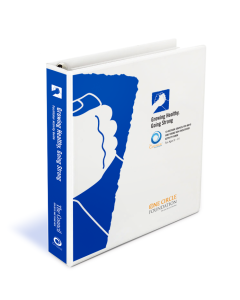
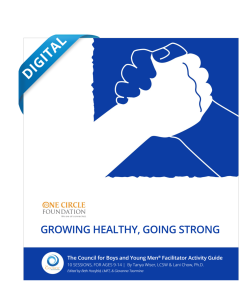
I have had the privilege of facilitating groups of the Boys' Council curriculum, Growing Healthy, Going Strong, for elementary-aged boys in fourth and fifth grade. I love this curriculum because it does a fantastic job of addressing a range of topics that allow the boys to have conversations about things that are traditionally not socially acceptable to talk about as boys or men. We get to discuss things like their unique emotional experiences, how to have a healthy sense of competition, and the roles and boxes that boys are placed in by our culture at a very young age, which tells them the "rules" of how to be "real" boys and men. Having open and honest conversations about these topics and how they relate to our ideas of masculinity offers these boys the chance to connect with themselves, their other group members, and the facilitators in ways that they don't often get to in their daily lives.”
Oliver’s experience shows how Circles give young people—especially boys and young men—space to talk openly about their emotions, challenge harmful stereotypes, and build connection. Breaking down these barriers is key in suicide prevention, creating room for empathy, healing, and resilience.
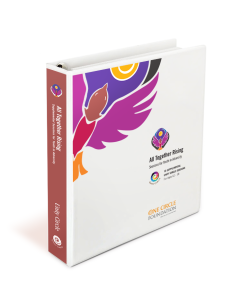
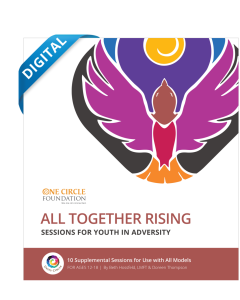
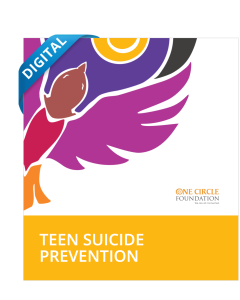
To support facilitators, educators, and community leaders, One Circle Foundation developed the All Together Rising: Teen Suicide Prevention session. This session provides structured activities and tools designed to create open conversations around mental health and suicide prevention.
Learn more here: All Together Rising
For more information on The Council for Boys and Young Men visit: https://onecirclefoundation.org/the-council
If you or someone you know is in crisis, call or text 988 (U.S.) for the Suicide & Crisis Lifeline, or use your local emergency resources.

Related Products
Leave a Reply
Search The Blog
Categories
- One Circle Foundation
- Spanish
- Facilitator Tips & Tools
- LGBTQ+
- Funding
- Inspiring Stories
- Membership
- Creativity
- Classroom Support
- Trainings
- Facilitators
- Trainers
- Executive Director
- Implementation
- High Impact Practices
- OCF Board
- Autism Awareness Month
- Support Neurodivergent Youth
- Bay Area Training
- Bay Area Professional Development
- Newsletter
- ASCA Conference 2024
- Los Alamos JJAB
- Suicide Prevention
- movember
- Black History Month
- Awareness & Advocacy
- Social Studies
- Mental Health
- Intergenerational Trauma
- Must Read
- Civil Rights & Social Justice
- Freedom & Justice
- Inspiration & Leadership
- Martin Luther King Jr.
- Sexual Assault Awareness Month
- Social Justice
- Mental Health & Wellness
- Community Education
- Voice and Choice
- Mental Health in Education
- Adolescent Behavior
- Teen Psychology
- One Circle
- Emotional Intelligence
- Wellness & Self-Care
- Social Media & Teens
- Personal Growth
- Storytelling / Personal Narrative
- Training
- Curricula
- Girls Circle
- Unity Circle
- Guest Blogger
- The Council for Boys and Young Men
- Womens Circle
Archives
- April 2026
- March 2026
- February 2026
- January 2026
- December 2025
- November 2025
- October 2025
- September 2025
- August 2025
- July 2025
- June 2025
- May 2025
- April 2025
- March 2025
- February 2025
- January 2025
- December 2024
- November 2024
- October 2024
- September 2024
- August 2024
- July 2024
- June 2024
- April 2024
- March 2024
- February 2024
- January 2024
- December 2023
- November 2023
- October 2023
- September 2023
- August 2023
- July 2023
- June 2023
- May 2023
- April 2023
- March 2023
- February 2023
- January 2023
- December 2022
- November 2022
- October 2022
- September 2022
- August 2022
- July 2022
- June 2022
- May 2022
- April 2022
- March 2022
- February 2022