
Facilitator Tips: Adapting Circle Sessions to 45 Minutes
In our recent community survey, many facilitators asked how to adapt Circle sessions when limited to 45-minute periods. Here, you’ll find all the strategies we suggest for an effective Circle experience within a shorter timeframe.
First, it’s important to know that One Circle Foundation’s Circle models are designed so that every step happens in every session. We call it the non-negotiables: never skip a step. In particular, make sure you leave enough time at the end to share the activity and do your closing ritual.
Here is what the timing could look like for the full Circle experience in 45 minutes:
-
Opening Ritual: 2 minutes
-
Theme Introduction: 1 minute
-
Check-in: 10 minutes
-
Activity: 20 minutes
-
Sharing of Activity: 10 minutes
-
Closing: 2 minutes
Below, you’ll find two key suggestions, along with some additional adjustments that you can make to the Circle agenda while keeping all steps intact and maintaining their impact.
CHECK-IN: This step can take up significant time, especially once your safety is established and the Circle participants feel a sense of connection. Here are a variety of tips to support a short but effective check-in.
-
Use time limits per person and have a timer during check-in.
-
Keep check-in focused with short prompts, such as: “Share one rose, bud, and thorn from your day” or “What is your temperature today, and why?”
-
Model concise sharing as the facilitator.
ACTIVITY: In OCF curricula, each session includes two to three activities, with each activity typically taking about 20 minutes to complete. For a 45-minute Circle session, we recommend facilitating only one activity. This ensures you can move through every step of the model while extending the session content across multiple weeks.
-
In the first week, choose just the first activity from the session instead of trying to cover multiple activities.
-
In the following week, return to that same session with all other steps remaining the same, but facilitate the next activity with your Circle.
Here are a few other quick suggestions for navigating a shorter timeframe:
-
So that you can start right on time, have your space fully prepped ahead of time and invite the youth to arrive early if they can.
-
If you do need to start late, have a plan for where you can trim the activity or shorten it.
-
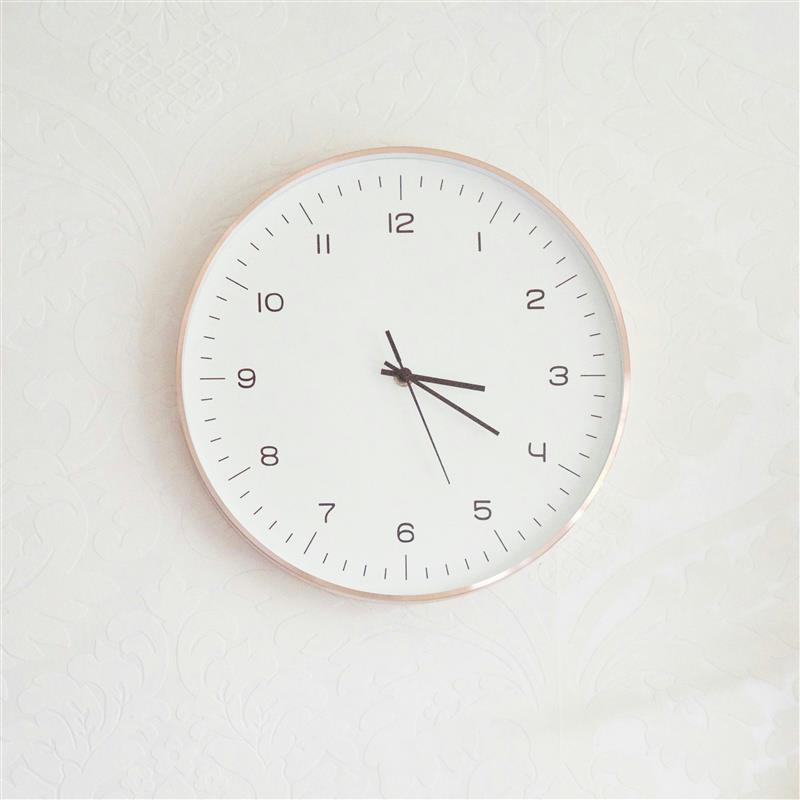
Keep a watch or clock visible to help you stay accountable to the timing.
-
Keep your opening and closing rituals short—it’s the consistency that counts. Reading a poem, ringing a bell, or inviting each participant to say just one word that describes how they’re coming into or leaving Circle are meaningful, impactful, and brief rituals.
-
The theme introduction should be just 1-3 sentences from you to the group. You don’t need to run through the full agenda or delve into the weeds on the topic. This is a time to just inform the group about the theme for the session so they know what topic they’ll be engaging in.
These adjustments ensure participants experience the full content while keeping the Circle model intact.
We’re honoring all learning styles and supporting consistency while being flexible and avoiding Circles that feel rushed or incomplete.
With these adaptations, a 45-minute Circle experience can be strong, relational, and transformative.
What other tips have been successful for you while facilitating a 45-minute Circle session? Share in the comments below.

Leave a Reply
Search The Blog
Categories
- One Circle Foundation
- Spanish
- Facilitator Tips & Tools
- LGBTQ+
- Funding
- Inspiring Stories
- Membership
- Creativity
- Classroom Support
- Trainings
- Facilitators
- Trainers
- Executive Director
- Implementation
- High Impact Practices
- OCF Board
- Autism Awareness Month
- Support Neurodivergent Youth
- Bay Area Training
- Bay Area Professional Development
- Newsletter
- ASCA Conference 2024
- Los Alamos JJAB
- Suicide Prevention
- movember
- Black History Month
- Awareness & Advocacy
- Social Studies
- Mental Health
- Intergenerational Trauma
- Must Read
- Civil Rights & Social Justice
- Freedom & Justice
- Inspiration & Leadership
- Martin Luther King Jr.
- Sexual Assault Awareness Month
- Social Justice
- Mental Health & Wellness
- Community Education
- Voice and Choice
- Mental Health in Education
- Adolescent Behavior
- Teen Psychology
- One Circle
- Emotional Intelligence
- Wellness & Self-Care
- Social Media & Teens
- Personal Growth
- Storytelling / Personal Narrative
- Training
- Curricula
- Girls Circle
- Unity Circle
- Guest Blogger
- The Council for Boys and Young Men
- Womens Circle
Archives
- April 2026
- March 2026
- February 2026
- January 2026
- December 2025
- November 2025
- October 2025
- September 2025
- August 2025
- July 2025
- June 2025
- May 2025
- April 2025
- March 2025
- February 2025
- January 2025
- December 2024
- November 2024
- October 2024
- September 2024
- August 2024
- July 2024
- June 2024
- April 2024
- March 2024
- February 2024
- January 2024
- December 2023
- November 2023
- October 2023
- September 2023
- August 2023
- July 2023
- June 2023
- May 2023
- April 2023
- March 2023
- February 2023
- January 2023
- December 2022
- November 2022
- October 2022
- September 2022
- August 2022
- July 2022
- June 2022
- May 2022
- April 2022
- March 2022
- February 2022