
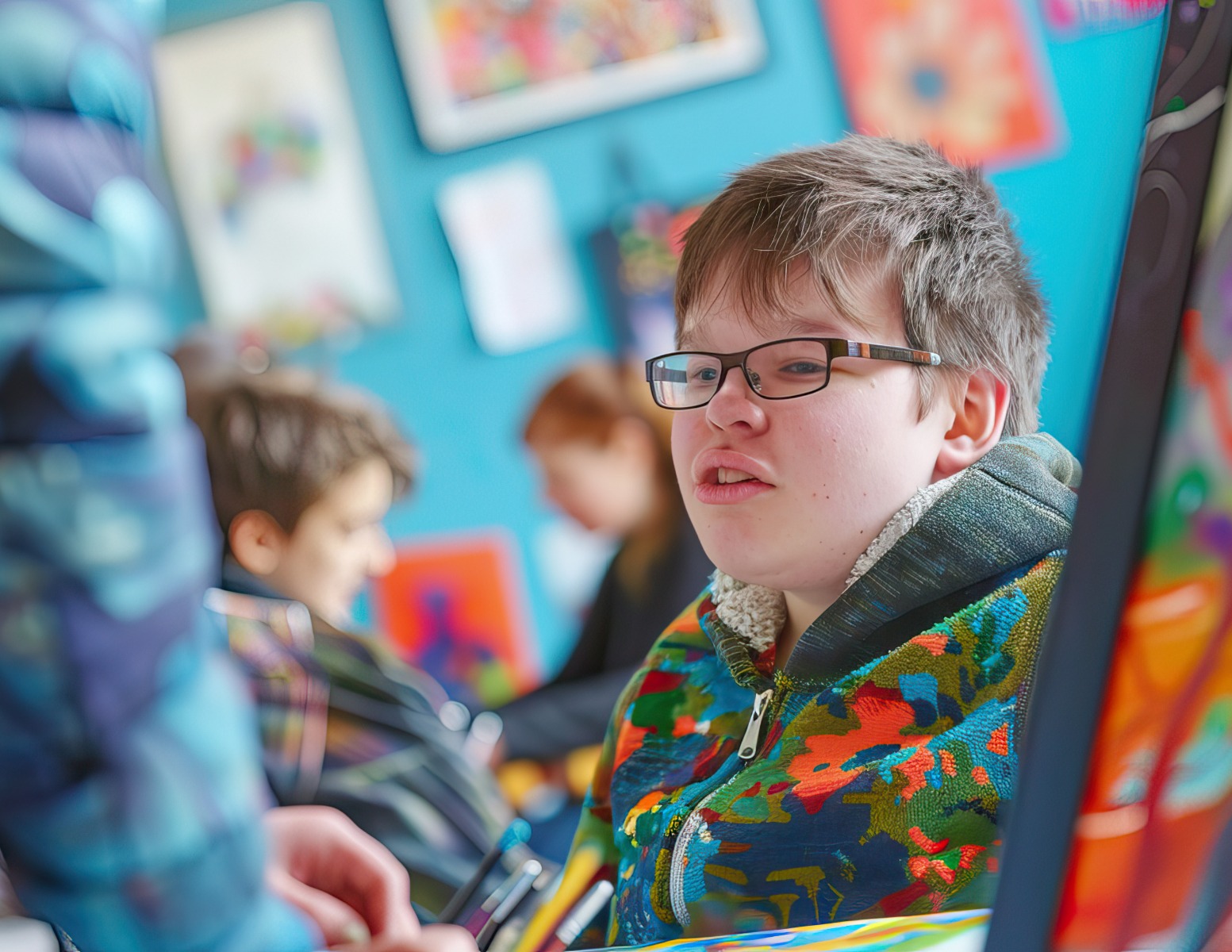
Supporting Neurodivergent Youth in Circle
Greetings, fellow champions of neurodiversity! In my journey as a seasoned Board-Certified Behavior Analyst (BCBA), I have had the privilege of delving into the intricacies of supporting individuals across diverse cognitive landscapes. Along this path, I have encountered both challenges and opportunities for growth. Through reflection on my experiences, I have gained valuable insights that can offer guidance on this journey. Informed by research-backed best practices, I humbly share what I have learned, recognizing the varying levels of support needs we encounter, with a hopeful outlook for the positive impact we can collectively make.
Understanding the Spectrum of Neurodiversity:
Neurodiversity is a rich tapestry of cognitive differences, encompassing autism, ADHD, dyslexia, and beyond. Everyone brings their unique blend of cognitive hues to the canvas of humanity. However, alongside universal needs like nourishment and safety, our neurodivergent friends may require nuanced support to navigate sensory sensitivities and social complexities.
Research-Backed Support Strategies:
In crafting support plans, we draw upon evidence-based practices such as Ross Greene's Collaborative Problem-Solving approach, which emphasizes collaboration and empathy in addressing challenging behaviors. Additionally, programs like TOTEM PD provide schools comprehensive training on creating inclusive environments for neurodiverse students. Moreover, Registered Behavior Technician (RBT) training equips professionals with the skills to implement behavior intervention plans effectively.
Celebrating Achievements:
Every milestone, regardless of size, deserves recognition. Research indicates that positive reinforcement is a powerful tool in promoting desired behaviors and fostering self-esteem in neurodivergent individuals. By cultivating a culture of celebration, we affirm the value of every accomplishment, big and small.
How to be a Support Peer for a Neurodivergent Youths:
Understanding and accepting differences are fundamental pillars in creating a supportive environment for neurodivergent youths. It's not just about recognizing that each individual is unique; it is about actively embracing and celebrating those differences. As a result, it becomes imperative that neurotypical peers are not only aware of these differences but are also equipped with the tools to interact effectively and empathetically with their neurodiverse counterparts.
One effective approach is to integrate social skills and empathy training into school curriculums and extracurricular activities. These initiatives can include workshops, peer mentoring programs, and interactive learning modules that teach neurotypical students about neurodiversity and how to engage respectfully with their peers. For example, students can learn about the various ways people communicate, including verbal and non-verbal cues, and practice active listening techniques to better understand the perspectives of others.
Moreover, fostering inclusivity requires creating opportunities for neurotypical and neurodiverse students to collaborate and learn from each other. This can be achieved through group projects, team sports, or shared hobbies where students with different abilities can work together towards common goals. By breaking down barriers and encouraging positive interactions, we cultivate a culture of mutual support and respect among all students.
How to be a Supportive Adult for a Neurodivergent Youth:
Navigating the complexities of supporting neurodiverse youths requires a delicate balance of empathy, understanding, and patience. As adults, our role extends far beyond mere supervision; we are entrusted with the responsibility of fostering an environment where neurodivergent individuals feel valued, respected, and supported. It boils down to one simple principle: kindness.
Primarily, it is crucial to recognize and celebrate the unique strengths and abilities of neurodiverse youths. Rather than focusing solely on perceived deficits or challenges, acknowledging their talents and accomplishments can boost self-esteem and foster a sense of belonging.
Moreover, listening with genuine empathy and openness is critical. Taking the time to understand their perspectives, preferences, and needs cultivates trust and strengthens the bond between adults and neurodiverse youths. By actively engaging in meaningful conversations and validating their experiences, we demonstrate our commitment to their well-being.
In moments of conflict or frustration, it is imperative to approach the situation with compassion and patience. Instead of resorting to punitive measures or harsh criticism, adopting a problem-solving mindset can lead to more constructive outcomes. By collaborating with neurodiverse youths to identify solutions and address challenges, we empower them to develop essential life skills and resilience.
Additionally, creating a supportive and inclusive environment is essential. This involves promoting acceptance, diversity, and mutual respect among peers and adults alike. Educating others about neurodiversity and advocating for inclusive practices in schools, communities, and beyond helps foster a culture of understanding and acceptance.
Ultimately, supporting neurodiverse youths is about being a compassionate ally and advocate. It is about recognizing their inherent worth and potential, and providing the guidance and support they need to thrive. By embodying kindness, empathy, and patience in our interactions, we can create a world where neurodiversity is celebrated and embraced. A little kindness goes a long way in making a meaningful difference in the lives of neurodiverse youths.
And if being kind at any moment is difficult (because we are all human and have our own emotions and buttons to be pushed)- BE CALM!
Maintaining composure and offering support are paramount. Research suggests that training in de-escalation techniques equips individuals with the skills to manage challenging situations calmly and effectively. Incorporating the concept of QTIP (Quit Taking It Personally) is essential, reminding support providers not to internalize or react emotionally to behaviors exhibited by neurodivergent individuals.
Tailored Support in Various Environments:
Schools: Implementing tailored support in educational settings involves fostering inclusive classrooms where neurodivergent students feel welcomed and supported. This includes providing educators with training on evidence-based practices like Collaborative Problem Solving and utilizing visual support to aid comprehension. Additionally, establishing peer buddy systems encourages neurotypical students to develop empathy and social skills while helping their neurodivergent peers.
Clubs and Extracurricular Activities: In extracurricular settings, such as clubs and sports teams, tailored support focuses on creating environments that accommodate diverse interests and abilities. Organizers can offer training to club leaders on inclusive practices and behavior management techniques, ensuring that all participants feel valued and included. Adaptations to activities and equipment may also be necessary to promote equal participation and enjoyment for neurodivergent individuals.
Community Youth Groups: Community youth groups provide opportunities for social interaction and skill-building in a supportive environment. Here, tailored support involves implementing structured activities that cater to diverse needs and preferences. Leaders can receive training on positive behavior support strategies and conflict resolution techniques to manage group dynamics effectively. Additionally, fostering leadership opportunities empowers neurodivergent participants to take on active roles and contribute to the group's success.
By embracing neurodiversity and implementing research-backed support strategies, we create environments where every individual, regardless of their support needs, feels accepted, valued, and empowered to flourish.
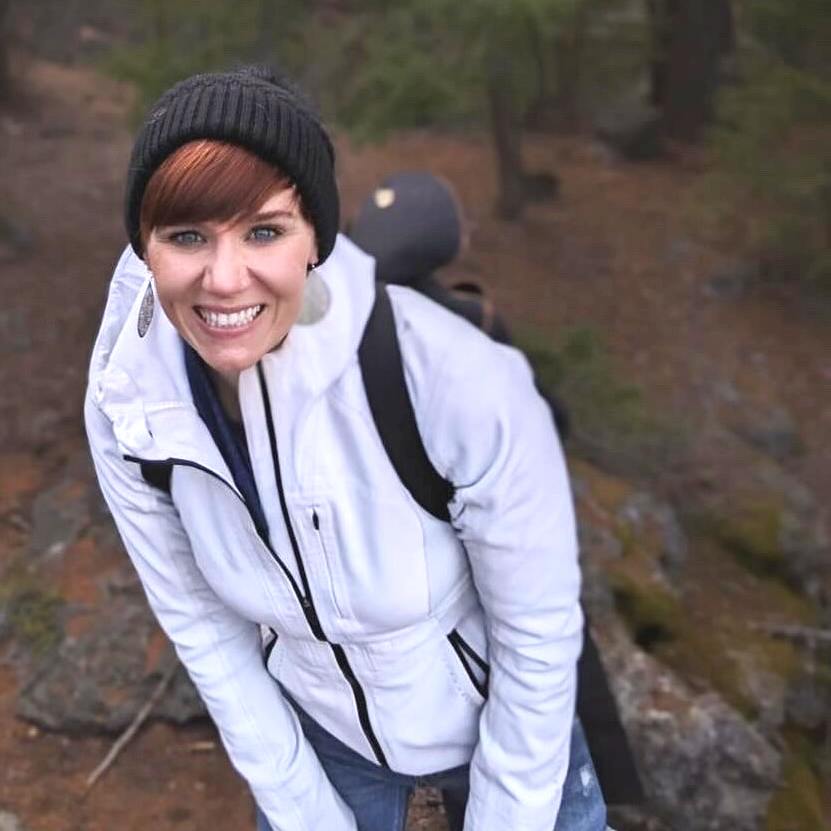
One Circle Foundation would like to thank Victoria for her valuable professional insights on supporting neurodivergent youth. We want to ensure that all youth are supported within One Circle programs and that Circle facilitators have the resources needed to be as inclusive and expansive as possible. Victoria’s piece highlights some areas in which One Circle programs are set up to be a space of support for neurodivergent youth.
Building Resiliency: One Circles programs offer the structure necessary to cultivate resilience. Research identifies four key protective factors that facilitate risk reduction and the development of youth who avoid life-compromising problems. These factors are integral to all One Circle models: caring and supportive relationships with adults, encouragement and high expectations, meaningful participation in the community, and positive cultural-ethnic identity. (Girls Circle Facilitator Manual, p.12)
Celebrating Achievements: One Circle programs provide a space to celebrate the significant rites of passage during adolescence, such as getting a first job, obtaining a driver’s license, or celebrating cultural milestones.
Community Youth Groups: Girls Circle, The Council for Boys and Young Men, and Unity Circle models have been utilized nationally and internationally in all care sectors, including education, child welfare, public health, behavioral health, juvenile justice, and community-based organizations. (Girls Circle Facilitator Manual, p.2) Our facilitator training covers the skills needed to be an effective Circle facilitator using strength-based, trauma-responsive, and culturally responsive approaches. Our facilitator manuals are rich with practical, helpful information presented in our workshop, including detailed guidance on managing a variety of group dynamics in healthy and supportive ways.


Leave a Reply
Search The Blog
Categories
- One Circle Foundation
- Spanish
- Facilitator Tips & Tools
- LGBTQ+
- Funding
- Inspiring Stories
- Membership
- Creativity
- Classroom Support
- Trainings
- Facilitators
- Trainers
- Executive Director
- Implementation
- High Impact Practices
- OCF Board
- Autism Awareness Month
- Support Neurodivergent Youth
- Bay Area Training
- Bay Area Professional Development
- Newsletter
- ASCA Conference 2024
- Los Alamos JJAB
- Suicide Prevention
- movember
- Black History Month
- Awareness & Advocacy
- Social Studies
- Mental Health
- Intergenerational Trauma
- Must Read
- Civil Rights & Social Justice
- Freedom & Justice
- Inspiration & Leadership
- Martin Luther King Jr.
- Sexual Assault Awareness Month
- Social Justice
- Mental Health & Wellness
- Community Education
- Voice and Choice
- Mental Health in Education
- Adolescent Behavior
- Teen Psychology
- One Circle
- Emotional Intelligence
- Wellness & Self-Care
- Social Media & Teens
- Personal Growth
- Storytelling / Personal Narrative
- Training
- Curricula
- Girls Circle
- Unity Circle
- Guest Blogger
- The Council for Boys and Young Men
- Womens Circle
Archives
- April 2026
- March 2026
- February 2026
- January 2026
- December 2025
- November 2025
- October 2025
- September 2025
- August 2025
- July 2025
- June 2025
- May 2025
- April 2025
- March 2025
- February 2025
- January 2025
- December 2024
- November 2024
- October 2024
- September 2024
- August 2024
- July 2024
- June 2024
- April 2024
- March 2024
- February 2024
- January 2024
- December 2023
- November 2023
- October 2023
- September 2023
- August 2023
- July 2023
- June 2023
- May 2023
- April 2023
- March 2023
- February 2023
- January 2023
- December 2022
- November 2022
- October 2022
- September 2022
- August 2022
- July 2022
- June 2022
- May 2022
- April 2022
- March 2022
- February 2022