

Finding Voice Through the Power of Silence
16 years ago I was intimidated, excited, nervous, and honored to be given the opportunity to facilitate my first Girls Circle with eight 16-17-year-old girls, all of whom were on probation. They were required to attend as a condition of their probation and we met in a classroom on their high school campus right after school each Wednesday.
Going into that first session, I did all of the extra things that I could think of to make a comfortable and fun space; I brought comfy pillows to sit on, tea and snacks, had music playing when they walked in, and I was all smiles. Some girls showed up in small groups, loud, bold, and larger than life, testing boundaries right off the bat. A few others were shy and more reserved, but one girl was particularly withdrawn. We’ll call her Jasmin (keeping her anonymous with a pseudonym).
I chose to use the Paths To The Future activity guide since it was developed with court-involved girls in mind. The themes are geared towards more mature teens who have been through a lot already in life. The goals of the guide are to promote self-care and healthy decision-making, two areas where I needed the most support back in high school when I was in a Girls Circle. I so badly wanted to do right by these girls and give them even half of the beneficial experience that I had in Girls Circle.
In session one, while creating our initial group agreements together, Jasmine didn’t speak up. When I asked if she had anything to add, she let me know that she didn’t want to participate without speaking a word, just a shy head nod. When we got to check-ins, passing around the talking piece and each sharing how we were doing that day, she again didn’t want to share. This reminded me to let her and everyone else know that if they weren’t comfortable sharing, they could pass at any time. Then during the verbal discussion, you guessed it, Jasmine didn’t say anything. She wasn’t being obstinate or aggressive with her silence. I could see that she was actively listening to others, respectful of their sharing, and participating in the ways in which she was comfortable, just not verbally.
This went on week after week, which started to worry me a bit. I didn’t want the more extroverted girls to feel disrespected or like Jasmine was getting special treatment, but after consultation with One Circle Foundation leadership and realizing that nobody else seemed bothered by it in the group, we continued on with Jasmine not speaking. I regularly thanked her and everyone for showing up, participating, and sharing to the extent that they were comfortable.
Then, a breakthrough happened in our 7th week together. The activity guide session was on the topic of Teen Drug Use and Abuse. After the opening ritual, theme introduction, and check-ins, we had a group discussion on the theme – Jasmine didn’t share.
As an aside, the group had become fairly bonded overall by week 7 and the discussions flowed well with everyone else participating. They had so much to say, so much wisdom, and were sharing experiences and deep truths about their lives. Everyone except Jasmine up to this point. Back to the story…
Next was the creative activity: drawing life maps. It kicked off with them finding a comfortable spot in the room and closing their eyes while I read the guided visualization aloud from the activity guide. Then the girls opened their eyes and spent the next 40 minutes individually drawing, painting, and collaging their own life maps on poster paper. These maps were to start with conception or birth up through the present time, including significant moments, people, achievements, and losses, both within and outside their control, and they were to show the course of their substance use on the journey. This was a silent activity so no talking, but we had light music on and they were in the zone.
Once the creative work was done, we reconvened in a circle to share our work, one at a time showing the life map each had created and talking through what was represented on it. When the talking piece got to Jasmine, she took it and shared out loud with us for the first time. What came out of her mouth was incredibly heartbreaking. There were multiple gun-related deaths in her immediate family, she had been shot, close ones had died from drug use, and she had been using since a young age although was in recovery and working to stay clean. There were losses and pains that would be too much for any adult, and she was just 17. She was so sweet and calm as she shared her life map with us. I and everyone in the group thanked her for sharing.
After that activity, Jasmine shared more openly during our Girls Circle. We still had 5 weeks left and it was one of the great honors of my life to bear witness to her developing trust and a willingness to share who she was with the group.
Often teens who are court-involved or those perceived as “at-risk” or “troubled teens” are not trusted by the adults in their lives to make good decisions for themselves. It’s true that these teens may need extra support, love, and guidance, but they also need to know that we as adults believe in their ability to make good decisions. This is a key resilience factor for teens. Jasmine taught me these lessons in the most profound way and I will never forget her for it. By giving her the space to open up and share in her own time instead of giving her an ultimatum or kicking her out of group for not participating, she eventually got there with us. She had experienced so much trauma in her short life that she needed more time to build up trust enough to share what she had been through, who she was, and who she wanted to become.
I became a Girls Circle Trainer for One Circle Foundation in the years after this circle experience. I told this story many times during our trainings, primarily when navigating someone with a heavily punitive mindset, to show that giving teens a little healthy power and allowing them the space to share in their own time can be highly impactful and that the power of finding their own voice can come through that gift of space and silence.
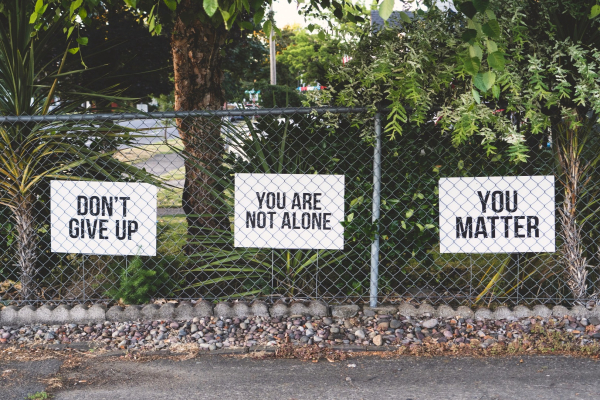
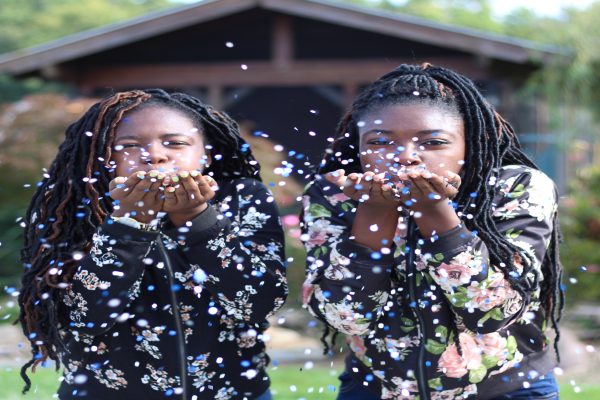
-- photo credit to Anthony Tran via upsplash.com


Related Posts
Related Products

Leave a Reply
Search The Blog
Categories
- One Circle Foundation
- Spanish
- Facilitator Tips & Tools
- LGBTQ+
- Funding
- Inspiring Stories
- Membership
- Creativity
- Classroom Support
- Trainings
- Facilitators
- Trainers
- Executive Director
- Implementation
- High Impact Practices
- OCF Board
- Autism Awareness Month
- Support Neurodivergent Youth
- Bay Area Training
- Bay Area Professional Development
- Newsletter
- ASCA Conference 2024
- Los Alamos JJAB
- Suicide Prevention
- movember
- Black History Month
- Awareness & Advocacy
- Social Studies
- Mental Health
- Intergenerational Trauma
- Must Read
- Civil Rights & Social Justice
- Freedom & Justice
- Inspiration & Leadership
- Martin Luther King Jr.
- Sexual Assault Awareness Month
- Social Justice
- Mental Health & Wellness
- Community Education
- Voice and Choice
- Mental Health in Education
- Adolescent Behavior
- Teen Psychology
- One Circle
- Emotional Intelligence
- Wellness & Self-Care
- Social Media & Teens
- Personal Growth
- Storytelling / Personal Narrative
- Training
- Curricula
- Girls Circle
- Unity Circle
- Guest Blogger
- The Council for Boys and Young Men
- Womens Circle
Archives
- April 2026
- March 2026
- February 2026
- January 2026
- December 2025
- November 2025
- October 2025
- September 2025
- August 2025
- July 2025
- June 2025
- May 2025
- April 2025
- March 2025
- February 2025
- January 2025
- December 2024
- November 2024
- October 2024
- September 2024
- August 2024
- July 2024
- June 2024
- April 2024
- March 2024
- February 2024
- January 2024
- December 2023
- November 2023
- October 2023
- September 2023
- August 2023
- July 2023
- June 2023
- May 2023
- April 2023
- March 2023
- February 2023
- January 2023
- December 2022
- November 2022
- October 2022
- September 2022
- August 2022
- July 2022
- June 2022
- May 2022
- April 2022
- March 2022
- February 2022