
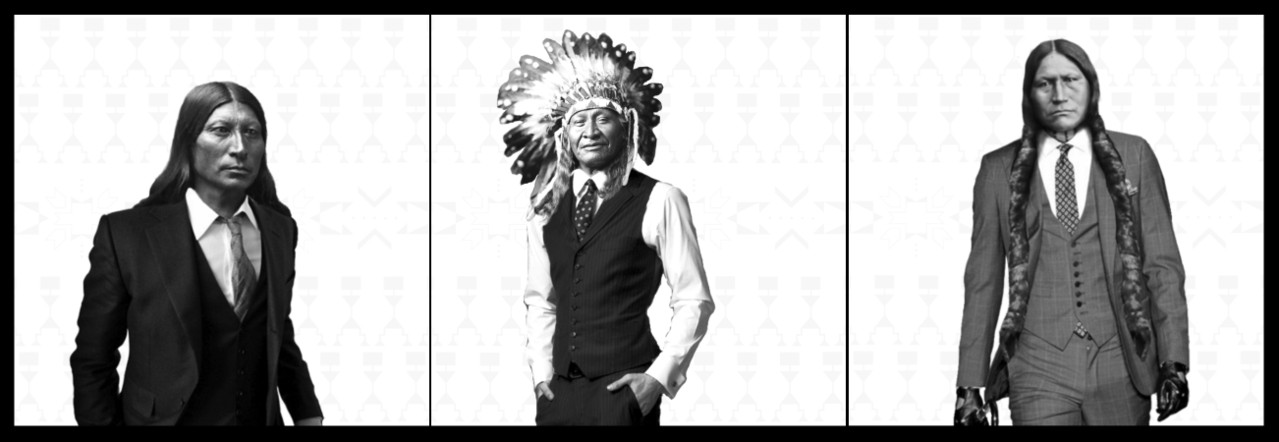
We never left
I got a smoke signal from my friend Danielle today who told me that in her trainings on the East Coast she went into a group of people who were not aware about indigenous peoples month or day or people for that matter. She asked me if I could write something that could Empower people to take action in regard to continuing education about people who are indigenous to this planet.
After having been retired for the past few years working as a therapist, counselor for children and families for the past 35 years in Colorado and New Mexico I've had a lot of experience with that exact issue.
I grew up in a small town in the 60's and I saw signs in the windows of businesses that read "No Dogs or Coloreds Allowed". Today we're indigenous beings. Since the 1960s Native Americans have assimilated into urban centers in hopes of the American dream. Soon to realize how difficult it is to live in two different worlds.
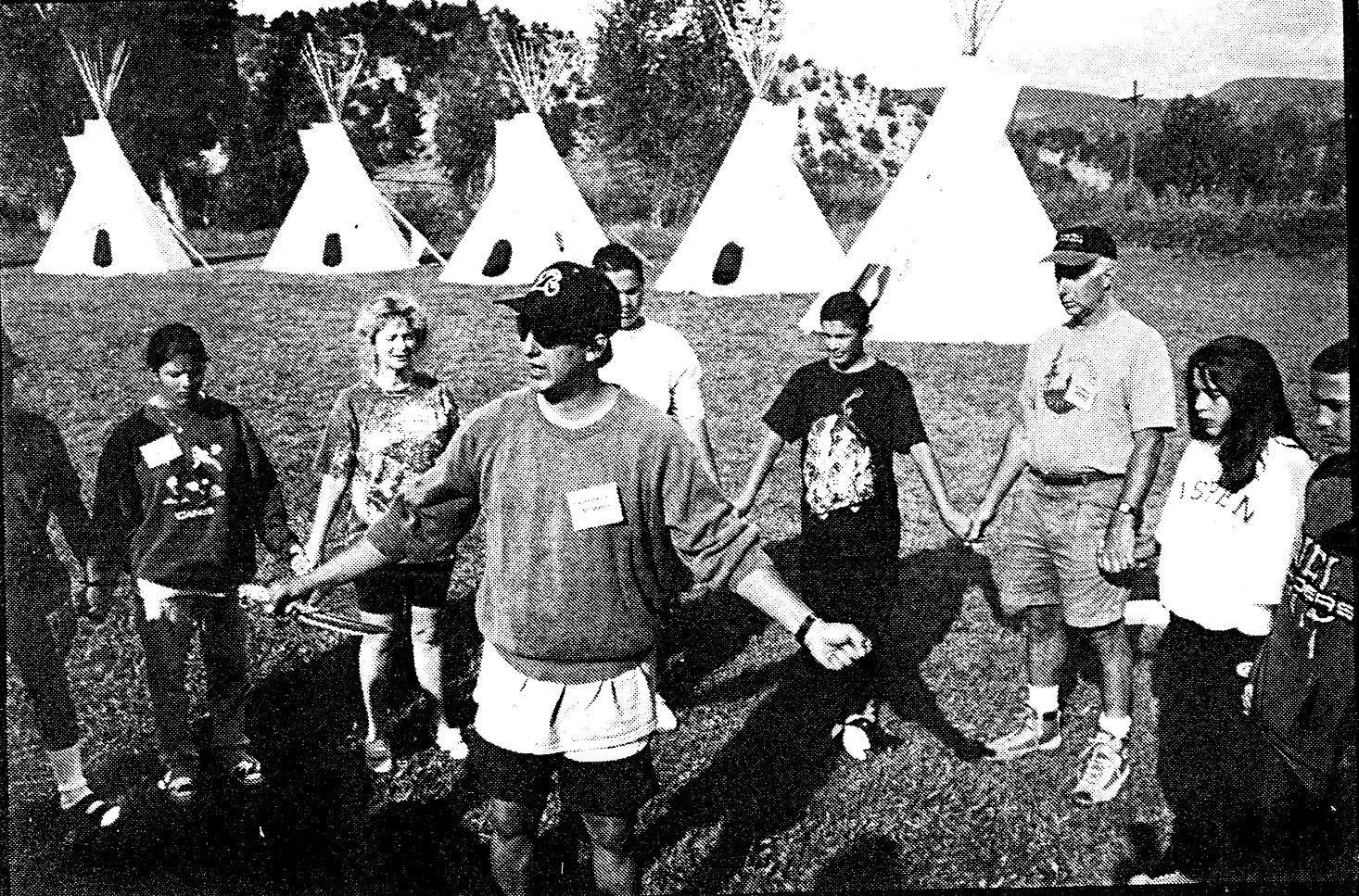
In the 1990s I was working as a consultant for my own firm in Denver and was working with the program called A Grassroots Aspen Experience which was an outdoor experiential program that was held in the summer and winter months that brought teenagers from across the country together in Aspen for a week. These kids were from Chicago, Los Angeles, Denver, New Orleans, New York City and New Mexico.
After the program was over, I got a call from one of the programs that I was working with from New York City. One of the first things she said to me was you don't sound like you're Indian. I automatically flash back to the Lone Ranger. As I look back now, I see the evolution, assimilation and struggles that have left their mark generationally. My response to her was "I'm not from India”. Needless to say, she was not amused.
We now must deal with today dragging our historical trauma into the future.
A lack of Education towards indigenous culture in a time of banning books, and dehumanizing people, leaves education at the bottom of the list of priorities.
November is National Native American Heritage Month.
It's a chance to celebrate the rich and diverse cultures, traditions and histories and important contributions of Indigenous people in our country, along with acknowledging their hardship and struggles both throughout history and in the present day.
There are over 9 million Native Americans and Native Alaskans living in the United States today. With over 500 federally recognized tribes, there are hundreds of different cultures that are as unique as the people they represent. From artwork and literature to cuisine and music, there is much to appreciate and learn.
Understanding and respecting Native cultures involves recognizing the diversity among Native peoples and acknowledging the historical and ongoing impact of colonization. Here are some guidelines to help you be respectful and inclusive:
- Educate Yourself:
- Read and Learn: Take the time to educate yourself about the history, traditions, and contemporary issues facing Native peoples. Resources such as books, documentaries, and websites can provide valuable insights.
- Acknowledge Diversity: Recognize that there are over 500 recognized tribes in the United States alone, each with its own unique culture, language, and history. Generalizations can perpetuate stereotypes and misunderstandings.
- Use Appropriate Terminology:
- Tribal Names: Refer to specific tribes whenever possible rather than using generic terms like "Native American" or "American Indian."
- Respectful Language: Avoid outdated or offensive terms. For example, use "First Nations" in Canada, "Native American" or the specific tribal name in the United States, and "Aboriginal" in Australia.
- Respect Sacred Traditions:
- Ceremonies and Rituals: Understand that some ceremonies and rituals are sacred and private. Do not participate or intrude without proper invitation.
- Sacred Sites: Respect the significance of sacred sites and burial grounds. Do not disturb or appropriate these areas.
- Listen and Amplify Native Voices:
- Authentic Representation: Support media and art that authentically represent Native cultures. Encourage diverse voices in literature, film, and other forms of expression.
- Community Engagement: Listen to and learn from Native individuals and communities. Avoid speaking on behalf of Native people or assuming to know their experiences.
- Be Mindful of Stereotypes:
- Avoid Stereotypes: Challenge and avoid perpetuating stereotypes about Native peoples. Recognize that stereotypes can contribute to bias and discrimination.
- Cultural Appropriation: Be cautious of appropriating Native symbols, clothing, or rituals. Respect the cultural significance and meaning behind these elements.
- Understand Historical Trauma:
- Acknowledge History: Be aware of the history of colonization, forced removal, and cultural suppression that many Native communities have experienced. Understand that historical trauma continues to impact these communities today.
- Trauma-Informed Approach: Approach discussions and interactions with sensitivity to the historical trauma that many Native individuals and communities carry.
- Support Indigenous Causes:
- Advocacy: Support Indigenous-led movements and causes. This includes issues related to land rights, environmental justice, and cultural preservation.
- Economic Support: If possible, support Native-owned businesses and initiatives to contribute positively to Indigenous communities.
Remember the building understanding and respect is an ongoing process. Be open to learning, correcting mistakes, and engaging in meaningful conversation with Native individuals and communities.
The history of Native Americans is rich, diverse and ongoing. It involves resilience in the face of adversity, cultural continuity, and contemporary challenges that require understanding and support. It’s essential to approach discussions about Native American history with sensitivity and a commitment to recognizing the diversity of experiences among different tribes and individuals.
Dare to be different! The fears of others must NOT become your fears. The ignorance of others must NOT become your ignorance. The negativity of others must NOT become your negativity. Bring YOUR light into a world that has fallen into darkness. - James Weeks/ Across The King's River
Mitákuye Oyás’iŋ: We are All Related



Leave a Reply
Search The Blog
Categories
- One Circle Foundation
- Spanish
- Facilitator Tips & Tools
- LGBTQ+
- Funding
- Inspiring Stories
- Membership
- Creativity
- Classroom Support
- Trainings
- Facilitators
- Trainers
- Executive Director
- Implementation
- High Impact Practices
- OCF Board
- Autism Awareness Month
- Support Neurodivergent Youth
- Bay Area Training
- Bay Area Professional Development
- Newsletter
- ASCA Conference 2024
- Los Alamos JJAB
- Suicide Prevention
- movember
- Black History Month
- Awareness & Advocacy
- Social Studies
- Mental Health
- Intergenerational Trauma
- Must Read
- Civil Rights & Social Justice
- Freedom & Justice
- Inspiration & Leadership
- Martin Luther King Jr.
- Sexual Assault Awareness Month
- Social Justice
- Mental Health & Wellness
- Community Education
- Voice and Choice
- Mental Health in Education
- Adolescent Behavior
- Teen Psychology
- One Circle
- Emotional Intelligence
- Wellness & Self-Care
- Social Media & Teens
- Personal Growth
- Storytelling / Personal Narrative
- Training
- Curricula
- Girls Circle
- Unity Circle
- Guest Blogger
- The Council for Boys and Young Men
- Womens Circle
Archives
- April 2026
- March 2026
- February 2026
- January 2026
- December 2025
- November 2025
- October 2025
- September 2025
- August 2025
- July 2025
- June 2025
- May 2025
- April 2025
- March 2025
- February 2025
- January 2025
- December 2024
- November 2024
- October 2024
- September 2024
- August 2024
- July 2024
- June 2024
- April 2024
- March 2024
- February 2024
- January 2024
- December 2023
- November 2023
- October 2023
- September 2023
- August 2023
- July 2023
- June 2023
- May 2023
- April 2023
- March 2023
- February 2023
- January 2023
- December 2022
- November 2022
- October 2022
- September 2022
- August 2022
- July 2022
- June 2022
- May 2022
- April 2022
- March 2022
- February 2022
