

Bringing Women's Circle® to College Campuses: A How-to Guide
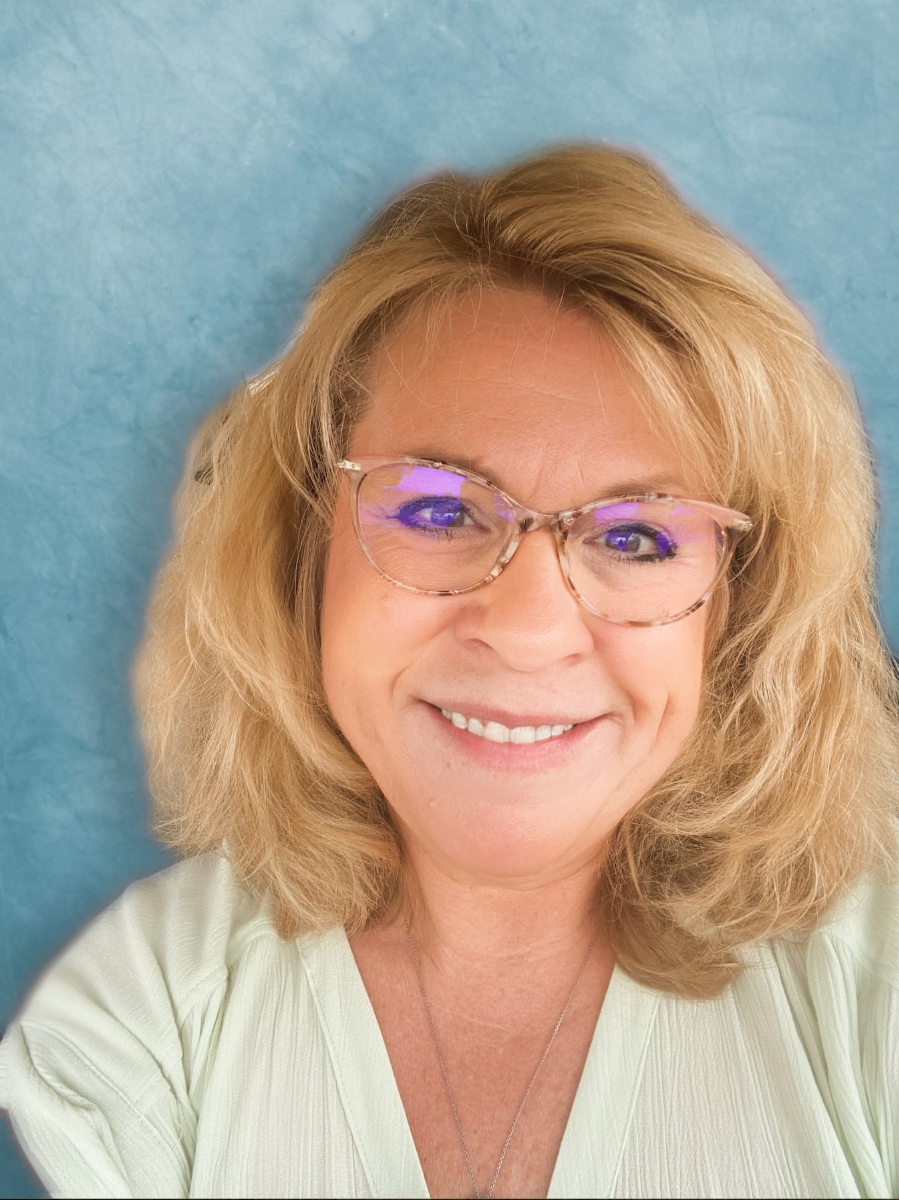
Hello One Circle Community! My name is Vicki Pitstick, and I have worked on contract with One Circle Foundation for 15 years as a trainer and author of the Women’s Circle® Activity Guides. Recently, the organization invited me to write a blog about an initiative I ran at The Ohio State University for ten years called The Girls Circle Project at Ohio State.
First, a little history… my initial introduction to One Circle Foundation, known as Girls Circle Association at that time, occurred when I approached the Girl Scouts of America and explained that I was looking for a way to have college women do some type of community service that involved them working with young girls in a meaningful way.
This was an important issue for me as I have 3 daughters of my own and, at that time, my oldest was just 9 years old. I wanted to do everything I could to help my daughters and other young girls avoid feeling hurt and alone as much as possible. As I was explaining this to the leaders of the Girl Scouts, one of them said, “You need to attend a Girls Circle Facilitator Training.” The two-day training was amazing, and I knew by the end of it that I wanted to train college women to be Girls Circle facilitators and send them into the Columbus, Ohio area to run Girls Circles.
The following academic year, I worked with the students who had attended the training with me, and we figured out how we wanted the program to operate. I worked at the University Honors and Scholars Center at the time, and it became a program we offered to any college woman who was an Honors or Scholars student. The main purpose of this blog is to describe the components that made up The Girls Circle Project at Ohio State and provide you with somewhat of a template of how to work with a university or college in your area if you think it is something you might want to do.
Recruitment
An invitation to apply for the program was sent out campuswide. I will add that we never said men could not apply for the project. None of them ever did, but we did leave the option open in case any of them put in an application. We sent the call through many different listservs and held at least 2 information sessions during the recruitment period. We usually recruited in the spring semester and applicants were told up front that it was a year-long commitment for the upcoming academic year. We also made sure we outlined what being in the project entailed so the women were making well-informed decisions as to whether to apply or not.
As the project evolved, we became a student organization at the university, so I had a small group of women who served as the student leaders of the organization. All of these women had spent at least one year in the project themselves. They helped me establish a timeline for the process, run information sessions, read applications, and organize the interview process. Each application was read at least twice, once by me and once by one of the student leaders, and then we all got together to decide which women to interview. We limited the Girls Circle Project to 24 new women each year and only 2nd year students and above could be Girls Circle facilitators. First-year students have so much to adjust and acclimate to when they first start college, so I made the decision early on that applicants had to be at least upcoming second years to apply. We usually interviewed no more than twice the number of the women who were going to be in the project, which means we interviewed between 35 and 50 women each year. Our application numbers varied between 60 and 90 applications per year. Once interviews were complete and all interview evaluations had been gathered, I met with my student leaders to select the 24 women who would be trained for the next year of The Girls Circle Project. We always had a reception to welcome the new women and cover the nuts and bolts of what to expect over the summer and the following year. All women who had been in the project in past years were invited to the Welcome Reception to get to know the new women, tell them about their own experiences in the project, and answer questions.
Note: Having 24 women in the project meant there had to be at least 12 Girls Circles arranged for them to facilitate during the Spring Semester. I always sent the women out in pairs to run circles. This is considered best practice by the One Circle Foundation, and it was always better for the women as it was less intimidating, allowed the Girls Circle to still happen in case one facilitator was sick, and, most importantly, gave the women the opportunity to work together as a team. I spent much of fall semester working to find and arrange Girls Circles for new facilitators. At times, I did have more than 12 circles, which is when I called upon returners to run circles as well.
Fall Women’s Circles
Every woman who was new to the Girls Circle Project each year participated in a Women’s Circle Fall Semester. This served a few purposes: a) it allowed the women to experience the circle model before running one themselves, and b) it helped the women bond with one another and become more of a cohesive group. There would be 3 Women’s Circles each fall with, ideally, 8 women in each of them to accommodate all 24 new women. In the beginning, the facilitators of the Women’s Circles were myself and some of my colleagues in the Honors and Scholars Center. During the planning of the overall project, I became a Licensed Trainer of the Girls Circle Facilitator Training and held a Girls Circle Facilitator Training at Ohio State each December. The training consisted of the new college women, my colleagues who wanted to be trained, and people in the community who wanted to be trained as well. The college women loved doing the training with community partners as it allowed them the opportunity to become more acquainted with the Columbus community and, sometimes, even make a connection to help a community partner run a circle with the girls who their agency was serving.
The women in each circle became very bonded and truly developed a sense of belonging with one another during the 12 – 13 weeks they were in a circle together.
Spring Semester Girls Circles
The college women were assigned their Girls Circles, ideally, before they left for Winter Break. I wanted to give them time to connect with the contact person where they had been assigned and set up an orientation meeting with the contact for the beginning of the spring semester. The purpose of this orientation meeting was to get a tour of and learn about the site where they had been assigned and ask questions about the site and the girls they were going to have in their circles.
After the Spring Semester had begun and they had been oriented to their sites, the Girls Circles could begin. The goal was to have 6 – 8 girls in a Girls Circle with 7-8 Girls Circle sessions at their sites during the semester. The least number of girls I would allow a site to have was 4, and the minimum number of meetings in a semester was 6. I can tell you this did not always happen and sometimes we just had to go with the flow. This was a valuable lesson in flexibility and adaptability for the college women as interruptions such as bad weather, state testing, and holidays would sometimes disrupt their circles.
Spring Semester Course
Another component of the Spring Semester for the Girls Circle Project was the service-learning course all the new women were required to take as part of the project. The course was offered out of the Department of Women and Gender Studies for a few years, but eventually found a home in the College of Education and Human Ecology. The course met once a week for 1.5 hours. We always began each class session with 30 minutes of reflection. The women sat in a circle and reflected on their Girls Circles from the previous week. This time allowed the women to express challenges, concerns, and successes. They could ask questions of me and one another and learn from one another. Once the reflection time ended, we talked about the topic for that week. Topics included: adolescent female development, feminism, female leadership, female stereotypes, sexism, and power, privilege, and difference, as well as a review of Girls Circle training topics such as gender-inclusive response, handling group dynamics, strength-based approach, and motivational interviewing techniques. The course included various assignments but always ended with a final project, which they did in pairs or a group of 3, that asked them to review the Girls Circle Activity Guides, discover a topic that they felt was missing from the guides or a topic that could be furthered expanded, and write three weeks’ worth of curricula on that topic. Overall, their projects were outstanding, and I even used some of them to write the Empowerment and Identity on Social Media Girls Circle Activity Guide I co-wrote for OCF in 2019.
The Girls Circle Project was a High Impact Practice
In 2008, George Kuh identified experiences that were active learning practices that promoted deep learning by promoting student engagement in college. These evidence-based practices allowed students to experience higher levels of learning as well as the likelihood of students experiencing diversity through contact with people who are different from themselves. One of the high-impact practices identified was service learning, which is an educational approach where a student learns theories in the classroom and at the same time volunteers with an agency (usually a non-profit or social service group) and engages in reflection activities to deepen their understanding of what is being taught.
I constructed The Girls Circle Project as a year-long service immersion experience.
The Girls Circle Project set the stage for Transformative Learning.
Transformative Learning Theory was developed by Jack Mesirow and states, “An important part of transformative learning is for individuals to change their frames of reference by critically reflecting on their assumptions and beliefs and consciously making and implementing plans that bring about new ways of defining their worlds.”
One of the assignments for the course asked the women to think about what they had learned as a result of participating in the project. Many women talked about new realizations they had developed around a different population and how that would affect their lives and careers moving forward.
The Girls Circle Project spanned generations.
I was able to mentor and impact the college women while I also learned from them. In turn, they impacted the girls in their Girls Circles and learned from them as well.
A Circle Fosters a Sense of Belonging.
Post-pandemic, a key concern in higher education is helping students find a sense of belonging on campuses, particularly for marginalized students such as minority, first-generation, LGBTQ, or low-income students. I have yet to run a Women’s Circle that did not help foster a sense of belonging for the women who participated. Eight to ten women meeting weekly for 2.5 hours, sharing their insecurities and concerns and their accomplishments and victories, empathizing with one another, and celebrating one another fosters belongingness like nothing I have ever seen.
This may not always happen with young girls in a circle, but research tells us that college students are seeking connection and belonging, especially in their first two years of college.
Women’s Circle Activity Guides
The Women’s Circle Activity Guides were created and written by six women with Master’s Degrees in Higher Education and Student Affairs at The Ohio State University and based on student development theory. With the multi-faceted jobs held by many higher education professionals, this type of resource, which combines a complete plan for each circle session with the high probability of fostering belongingness, is a must-have. The activity guides allow the facilitator to adapt the activities to the needs of the circle participants as long as they keep with the 6-step circle model. Women’s Circles can be run in residence halls, as part of a counseling group, in concert with a class, or included as a service-learning component of a class. The Girls Circle Project at Ohio State drew women from all majors, but a project such as this would be perfect for education majors, social work majors, or counseling majors as an experiential learning opportunity.
If you are interested in creating an initiative similar to the Girls Circle Project at Ohio State on a university campus where you work or are interested in approaching a university within your community to suggest building a partnership to create a similar initiative, Dr. Vicki Pitstick is available to work with you to provide consultation, training, resources and tools. She can be reached at vpitstick91@gmail.com.

Leave a Reply
Search The Blog
Categories
- One Circle Foundation
- Spanish
- Facilitator Tips & Tools
- LGBTQ+
- Funding
- Inspiring Stories
- Membership
- Creativity
- Classroom Support
- Trainings
- Facilitators
- Trainers
- Executive Director
- Implementation
- High Impact Practices
- OCF Board
- Autism Awareness Month
- Support Neurodivergent Youth
- Bay Area Training
- Bay Area Professional Development
- Newsletter
- ASCA Conference 2024
- Los Alamos JJAB
- Suicide Prevention
- movember
- Black History Month
- Awareness & Advocacy
- Social Studies
- Mental Health
- Intergenerational Trauma
- Must Read
- Civil Rights & Social Justice
- Freedom & Justice
- Inspiration & Leadership
- Martin Luther King Jr.
- Sexual Assault Awareness Month
- Social Justice
- Mental Health & Wellness
- Community Education
- Voice and Choice
- Mental Health in Education
- Adolescent Behavior
- Teen Psychology
- One Circle
- Emotional Intelligence
- Wellness & Self-Care
- Social Media & Teens
- Personal Growth
- Storytelling / Personal Narrative
- Training
- Curricula
- Girls Circle
- Unity Circle
- Guest Blogger
- The Council for Boys and Young Men
- Womens Circle
Archives
- April 2026
- March 2026
- February 2026
- January 2026
- December 2025
- November 2025
- October 2025
- September 2025
- August 2025
- July 2025
- June 2025
- May 2025
- April 2025
- March 2025
- February 2025
- January 2025
- December 2024
- November 2024
- October 2024
- September 2024
- August 2024
- July 2024
- June 2024
- April 2024
- March 2024
- February 2024
- January 2024
- December 2023
- November 2023
- October 2023
- September 2023
- August 2023
- July 2023
- June 2023
- May 2023
- April 2023
- March 2023
- February 2023
- January 2023
- December 2022
- November 2022
- October 2022
- September 2022
- August 2022
- July 2022
- June 2022
- May 2022
- April 2022
- March 2022
- February 2022