
Professional Training for Youth Service Settings
Safe Spaces Training: Best Practices for Positive Youth Outcomes
Jul 21 - 22, 2026 in Zoom
8:00 am - 12:30 pm* (PDT)
Early Bird Price: $299.00 (applicable until Jun 29, 2026)Through interactive activities and real-world examples, participants strengthen professional accountability and reflective practice while learning to implement thoughtful and intentional approaches that enhance organizational culture, youth education and services, and desired outcomes.
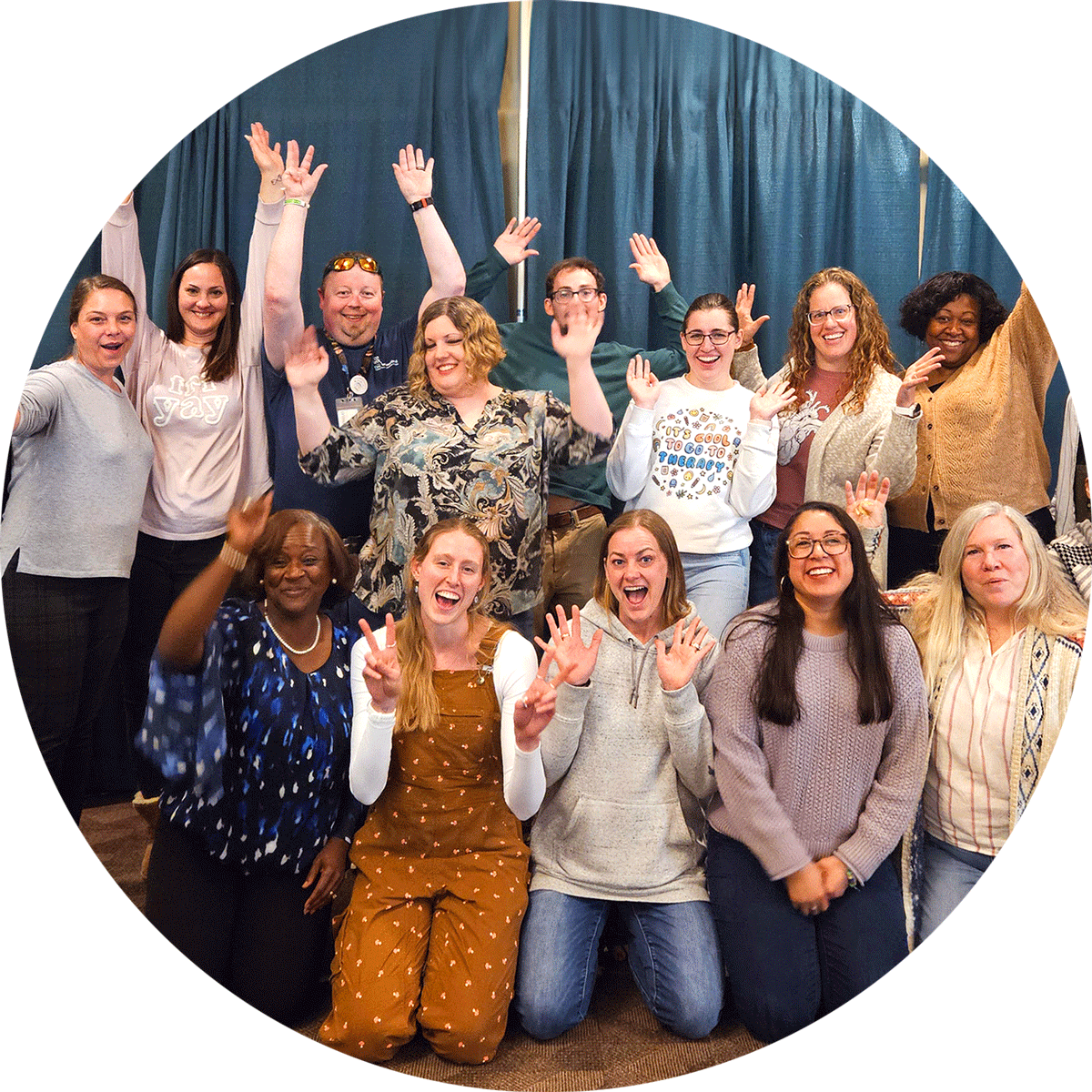
Come together to examine how personal and cultural beliefs influence professional relationships, service delivery, and youth outcomes, and practice developmentally appropriate, relationship-centered strategies that strengthen trust, engagement, and positive youth experiences.
This training is accredited and CE's are available, see info. >
“This training exposed me to the breadth of knowledge necessary to establish a meaningful and valuable program for inclusion.”
Register now for this training event!
Survey Responses from Past Participants:
"This training has come at a time when I needed it most. What impacted me most about this training is how well the facilitators held enough space for each voice to be heard. I did not feel like I was sitting on Zoom, I felt like Doreen and Valerie had taken me under their wing and mentored me."
"Young people need someone to fight for them, and me doing that will impact the community I serve, and help empower the youth I work with to also impact the community with their voice."
Register for Safe Spaces Training: Best Practices for Positive Youth Outcomes
Jul 21 - 22, 2026 in Zoom
Training Details
*Day 1: 8:00 am - 12:30 pm (PDT)
*Day 2: 8:00 am - 12:00 pm (PDT)
Attendance required each day and a certificate is awarded by email upon completion, once verified, within two business days.
Attendees will receive a coupon at the training for 15% off curricula, valid for 30 days beginning Day 2.
About the Safe Spaces Training: Best Practices for Positive Youth Outcomes
Participants examine how personal and cultural beliefs influence professional relationships, service delivery, and youth outcomes, and practice developmentally appropriate, relationship-centered strategies that strengthen trust, engagement, and positive youth experiences.
The training develops concrete skills to support responsive, belonging-focused environments within youth development programs, One Circle Foundation’s (OCF) program models – Girls Circle®, The Council for Boys and Young Men® and Unity Circle®. Participants across youth-serving sectors learn foundational principles and applied strategies that promote fair, reflective, and effective practices in communication, engagement, and support for youth with varied life experiences.
Through interactive activities and real-world examples, participants strengthen professional accountability and reflective practice while learning to implement thoughtful and intentional approaches that enhance organizational culture, youth education and services, and desired outcomes. Training content integrates current research, data, youth perspectives, and evidence-based youth development approaches.
This experiential and interactive training utilizes lecture, role play, demonstration, video, small-group discussion, activities, brainstorming, and goal setting to support participant learning and skill development. Trainers model strengths-based, relationship-focused techniques and best practices that foster a safe and positive adult learning environment.
A Live Online Workshop for adults with subject matter that aligns with the scope of practice for educators, program directors, and service providers across education; behavioral health, including mental health and public health; juvenile justice; substance use services; child welfare; and community-based services.
Credits Offered:
- Pending approval by the National Assoc. of Social Workers
- One Circle Foundation is approved by the California Association of Marriage and Family Therapists to sponsor continuing education for LMFTs, LCSWs, LPCCs and/or LEPs, Approved Provider #132313: 7.5 CE's
One Circle Foundation maintains responsibility for this program/course & its content.
Learning Objectives & Schedule:
Participants will be able to:
- Describe the relational-cultural framework that guides One Circle Foundation’s program models and best practices.
- Define key concepts related to professional awareness and action for positive youth outcomes, including unexamined assumptions, biases and perceptions, and welcoming, developmentally appropriate and youth-centered best practices.
- Explain how different social, cultural, and historical experiences influence access to resources and opportunities, expectations, and experiences of youth with varied identities.
- List two ways in which adverse child experiences and multiple life factors impact the relationships, life trajectories and opportunities of young people.
- Analyze how unexamined or entrenched assumptions and narratives shape professional culture and impede positive youth outcomes.
- Apply one or more consistent evidence-based, age-appropriate strategies to program design, communication, engagement, and youth support.
- Identify and practice two or more relationship-centered approaches that maximize trust, connection, and meaningful youth engagement.
- Develop two or more actionable goals to strengthen professional awareness and accountability, fairness, and supportive practices in working with youth.
- Demonstrate two or more strategies that promote safety, respect, and belonging for all youth and staff.
Resources & Information:
- Course Outline (PDF)
- Instructors
- Full training policies, accreditation, cancellations, and disability accommodations
- For addressing grievances, please write to info@onecirclefoundation.org.